
10 hr
Abu Simbel Temple Full-Day Excursion from Aswan
Journey to Ramses II's monumental temple complex and witness one of Egypt's most iconic UNESCO sites
Reserve
Hand-picked by our editors — only the best 5 experiences from 140 reviewed.
Verified partners for every tour, free cancellation where available, and instant confirmation on every booking.
10 hr
Journey to Ramses II's monumental temple complex and witness one of Egypt's most iconic UNESCO sites
Reserve
10 hr
Journey from Aswan to the legendary temples of Ramses II and Nefertari on a guided full-day group tour.
Reserve
10 hr
Journey deep into Nubia to witness the colossal temples of Ramesses II on a private guided day trip from Aswan.
ReservePrices from verified partners. Availability updates in real time at checkout. Free cancellation policies apply where shown.
The landmarks, rooms, and views travelers on this tour remember — all visible on a single visit.
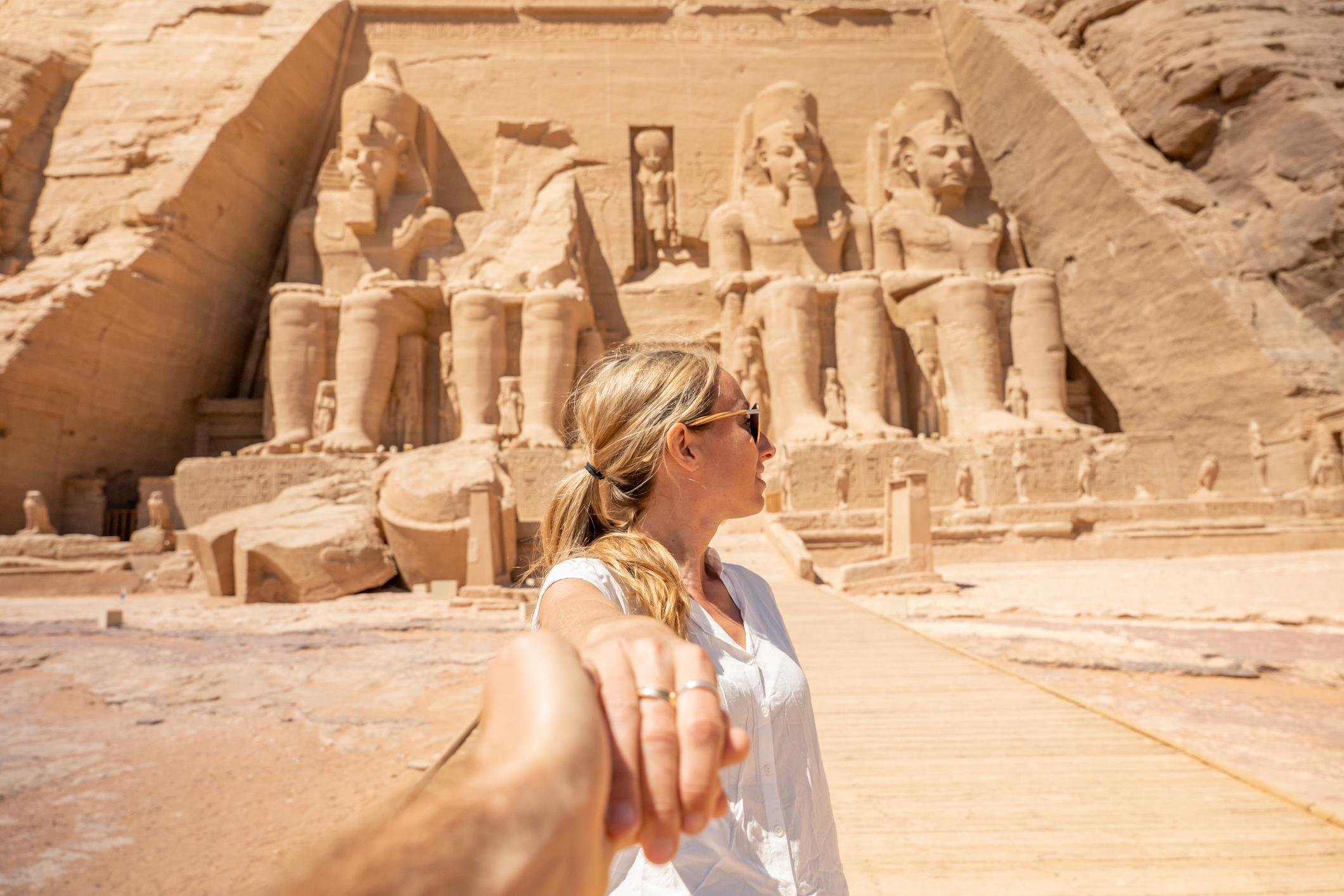
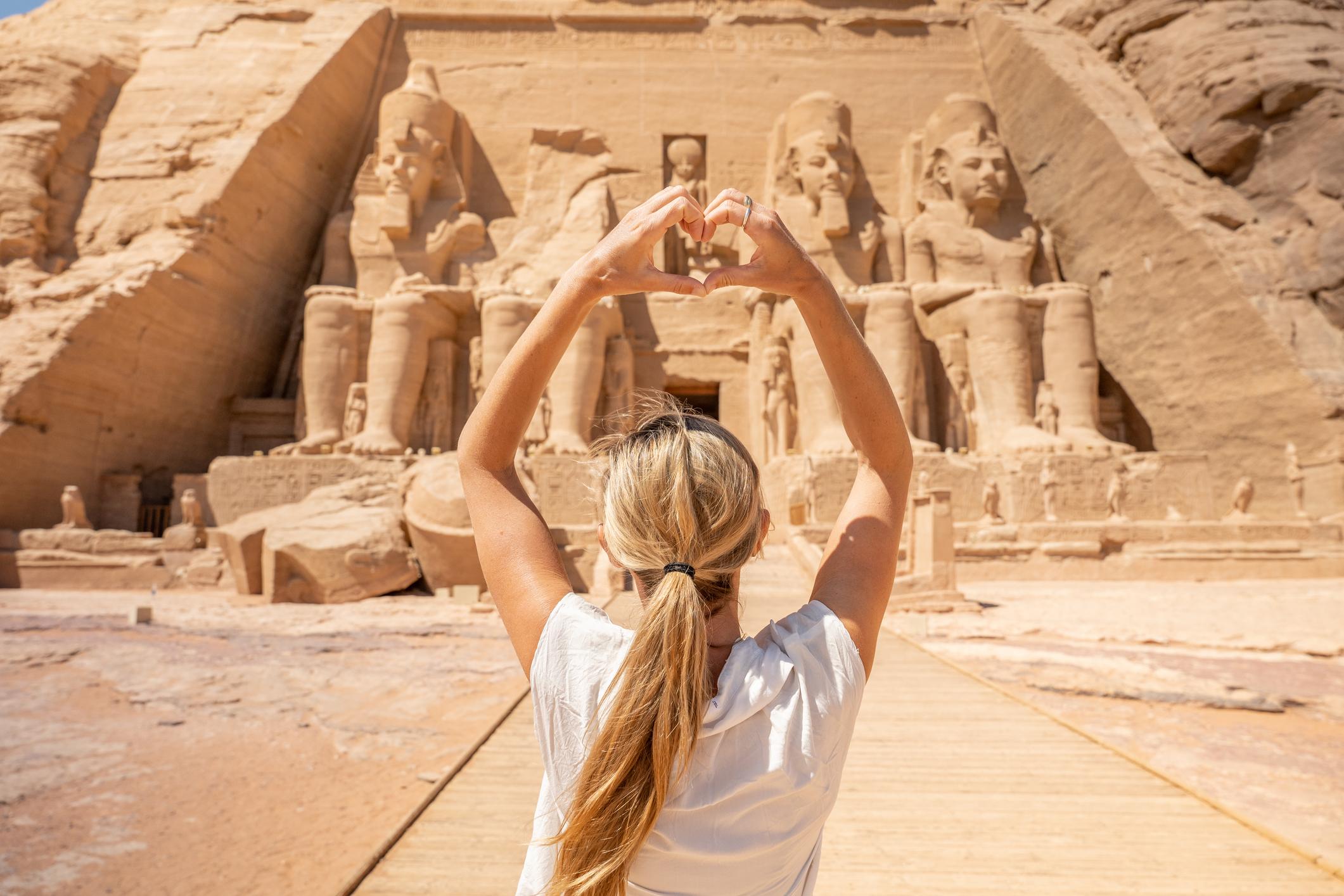
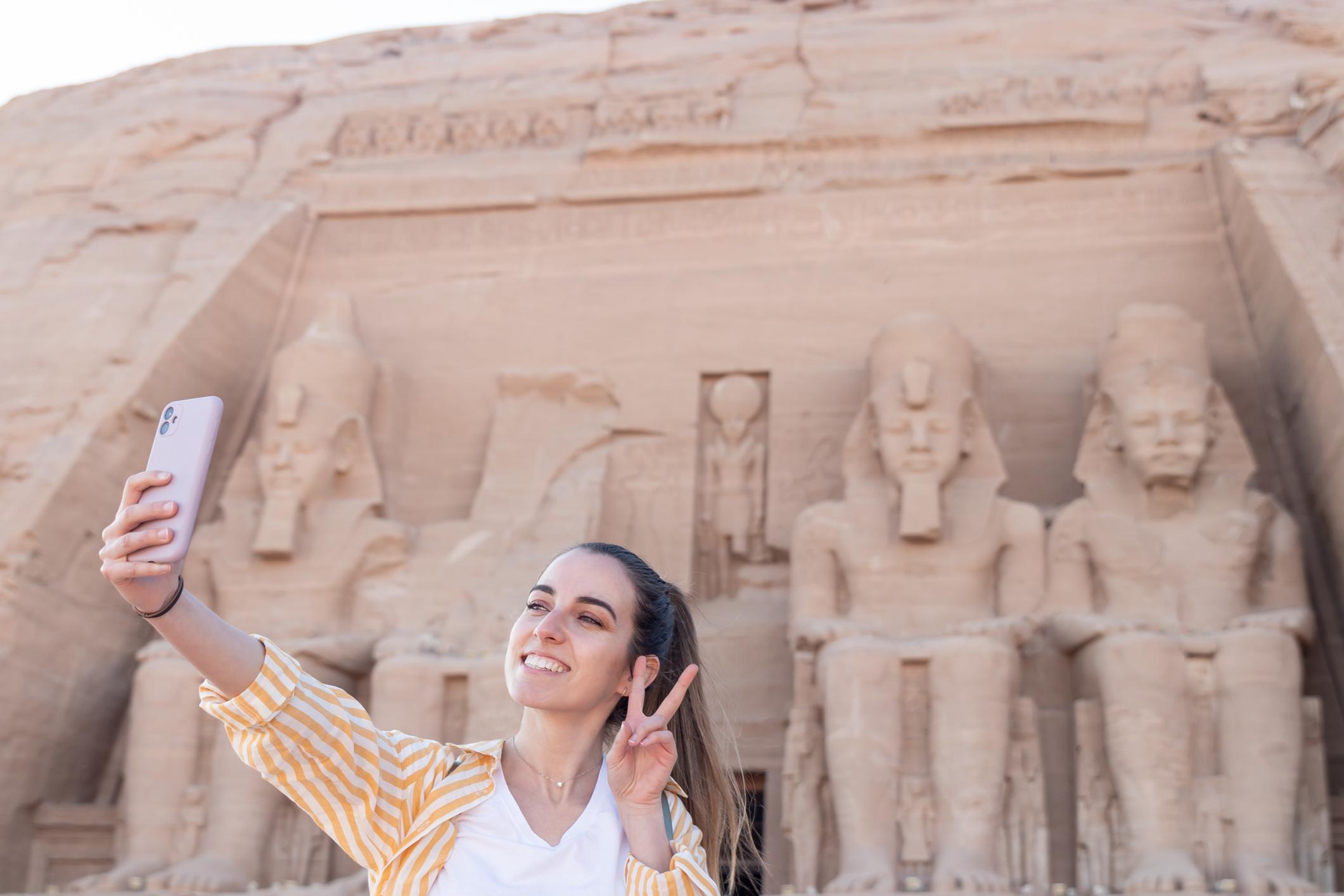
This massive rock-cut structure features four 20-meter tall statues of the pharaoh and is oriented so sunlight enters the sanctuary twice a year.
Dedicated to his wife, this temple features six standing statues and intricate interior carvings celebrating the goddess Hathor.
The deepest point of the Great Temple containing four seated deities, including the deified Ramesses II himself.
The inner room that perfectly catches the morning sun rays on specific dates to illuminate the statues.
A grand interior room supported by massive pillars carved in the likeness of Osiris, reflecting the immense power of the New Kingdom.
Private excursions offer tailored schedules and climate-controlled privacy, whereas group coach tours to these UNESCO heritage landmarks provide a more social environment at a lower cost. Choosing an abu simbel private tour from aswan allows for a more personalized pacing of the Great Temple visit.
| Feature | Top pick Private Tour | Group Bus Tour |
|---|---|---|
Departure Flexibility |
Full control over start time | Fixed early morning schedule |
Travel Comfort |
Private vehicle with AC | Shared coach with fixed seating |
Duration on Site |
Personalized time at site | Fixed group allocation |
Guide Interaction |
Dedicated personal Egyptologist | Shared guide with large group |
Price |
Higher premium rate | Lower per-person cost |
| See tickets → |
Verdict: Travelers seeking comfort and custom scheduling should select the private option, while budget-conscious visitors often find that abu simbel private tour from aswan tours are best balanced by the social utility of group transport.
Choose your ticket, select your date, and reserve in under two minutes. Secure checkout handled by our verified partner.
Instant confirmation by email, with a mobile voucher you can save offline. No printing, no queuing at a collection desk.
Arrive at the entrance, show your voucher on your phone, and walk in. Most tickets include priority or skip-the-line access.
Practical details for your visit straight from our verified partners — hours, access, rules, and how to get there.
Abu Simbel entrance plaza
Primary gathering point for all groups
Private transfers are the most common way to take an abu simbel private tour from aswan, taking approximately 3.5 hours each way.
Domestic flights from Aswan to Abu Simbel Airport offer a faster alternative to road travel.
Modest clothing covering shoulders and knees is recommended out of respect for this historic and cultural site. Light, breathable fabrics are ideal for the intense desert heat.
All visitors must pass through security screenings at the site entrance. Keep your entry ticket accessible at all times during your visit.
Mobile phone photography is permitted free of charge. Flash and professional equipment require special permits and are otherwise strictly prohibited inside the temples.
The site features paved pathways and ramps to assist with movement. Some interior chambers contain uneven rock-cut floors, so assistance may be required for those with limited mobility.
Children under 6 receive free entry. The site is a large open-air monument, so ensure children stay hydrated and protected from the sun.
Bringing a personal water bottle is essential due to the high temperatures. Food is typically not permitted inside the ancient temple structures.
Best time to go, insider tips, nearby landmarks, and the cancellation fine print — flip through to skim what matters to you.
How crowds, weather, and events shift across the year.
March to April offers manageable temperatures before the intense summer heat begins.
May to August is very hot; arrive at 06:00 to avoid midday exposure.
October to November provides pleasant weather and iconic light for photography.
December to February is the most popular time with cooler, comfortable days.
Small details that turn a good visit into a great one.
Arrive at 06:00 to beat the convoys of buses that depart Aswan early.
Carry at least 1.5 liters of water as there is little shade at the site.
If visiting near February 22 or October 22, expect larger crowds for the Sun Alignment.
Hiring a local guide through an authorized abu simbel private tour from aswan helps interpret the complex hieroglyphs.
During the summer months, the desert heat peaks rapidly after 09:00.
If booking an abu simbel private tour from aswan, ensure your driver is authorized for the route.
Non-bookable sights within a short walk — free to visit, easy to pair.
A vast reservoir created by the Aswan High Dam that provides a stunning backdrop to the temples.
The specific area where the solar alignment phenomenon occurs twice annually.
Flexible, no hidden fees.
Entry tickets are generally non-refundable once purchased. Please verify the official Ministry of Tourism and Antiquities portal for specific terms regarding your 822 EGP standard entry pass.
Hand-picked options within walking distance — pick a district for vibe, or a specific hotel for convenience.
Small local hotels offering proximity for those wishing to stay overnight.
Between 1964 and 1968, two temples weighing more than 250,000 tonnes were cut into 1,035 numbered blocks and lifted 65 metres up the cliff face they had occupied for thirty-two centuries. The rising waters of the Aswan High Dam would otherwise have drowned them. The rescue, coordinated by UNESCO across fifty contributing nations, remains the largest archaeological relocation ever attempted. Visitors who take an abu simbel private tour from aswan today stand before a mountain that is, in strict terms, artificial: a reinforced concrete dome hidden behind an engineered hill of rubble and sand. The original commission was Ramesses II's. Work began around 1264 BCE and continued for roughly two decades. The Great Temple was carved directly into a sandstone escarpment on the west bank of the Nile, its facade dominated by four seated colossi of the king, each about 20 metres high. One lost its head and torso to an earthquake in antiquity; the fallen fragments were repositioned at the statue's feet during the relocation, preserving the damage rather than correcting it. Beyond the entrance, eight Osiride pillars line the hypostyle hall, and reliefs record the Battle of Kadesh in propagandistic detail. The smaller Temple of Hathor, some hundred metres north, was dedicated to Nefertari. It is one of very few ancient Egyptian temples where the queen is depicted at the same scale as the pharaoh — a deliberate elevation, not an accident of carving. Six standing figures, four of Ramesses and two of Nefertari, front its facade. The site's most cited phenomenon is solar. Twice yearly, sunlight penetrates roughly 60 metres of rock to illuminate three of the four statues in the innermost sanctuary; Ptah, god of the underworld, stays in shadow. The relocation shifted the alignment by a day, an acceptable margin for an undertaking of that scale. Aswan Abu Simbel temple tours schedule around this event, and the site has been inscribed on the UNESCO World Heritage List as part of the Nubian Monuments since 1979. Nubian identity threads through the whole story. The temples were built to impress southern neighbours; their rescue displaced Nubian communities whose villages lie beneath Lake Nasser. That doubled history — monument saved, homeland lost — gives the abu simbel private tour from aswan a weight beyond spectacle. The address is simply Abu Simbel, Aswan Governorate, Egypt, and the standard adult entry fee for foreign visitors is 822 EGP.
"The mountain that shelters Ramesses II is itself a modern invention — a concrete dome buried under engineered stone."
A step-by-step walkthrough of the visit — what you'll see, how long each stage takes, and the details that matter.
You leave Aswan in the dark, and the desert road runs flat and unlit for roughly 280 kilometres. Dawn catches up somewhere near the halfway point. The gates open at 06:00, and arriving inside the 06:00–08:00 window puts you ahead of the convoy of coaches that fills the car park later in the morning. You do not see the temples first. The path curves left around the artificial hill, deliberately withholding the facade until you clear the last bend. Then the four colossi appear at once, 20 metres of seated stone, with your own shadow small against the base. You pay the 822 EGP entry, then walk to the threshold and pause before stepping into the hypostyle hall, where eight Osiride pillars stand in two rows and the temperature drops noticeably. You follow the axis inward. Reliefs of chariots and captured Hittites cover the north wall; you tilt your head to read the registers. At the far end, the sanctuary holds four seated gods in near-darkness. You retrace your steps, cross the open ground north, and enter the Temple of Hathor, where Nefertari stands at full pharaonic height beside her husband. Outside, you walk the perimeter to Lake Nasser. The water is the colour of pewter before eight. Your abu simbel private tour from aswan turns back toward the coach, and the site behind you fills with the day's first buses.
The site is open daily from 06:00–17:00, with last entry at 16:00. Your abu simbel private tour from aswan will typically align with these hours.
Mobile phone photography is permitted for free, but flash and professional gear are prohibited inside the temples visited during your abu simbel private tour from aswan.
It is highly recommended to book your tickets in advance via the official site to ensure a smooth start to your abu simbel private tour from aswan.
The standard adult entry fee for foreign visitors is 822 EGP, which is usually not included in the base price of your abu simbel private tour from aswan.
Yes, the site provides paved pathways and ramps, making most of the area accessible during your abu simbel private tour from aswan.
Children under 6 enter for free, making it a viable option for families on an abu simbel private tour from aswan.
Pack sun protection, water, and comfortable walking shoes for the long day of your abu simbel private tour from aswan.
Prohibited items include drones, tripods, and professional video equipment during your abu simbel private tour from aswan.
Arrive between 06:00–08:00 to avoid peak crowds on your abu simbel private tour from aswan.
There are limited dining facilities near the visitor center, so many guests on an abu simbel private tour from aswan bring snacks and water.